
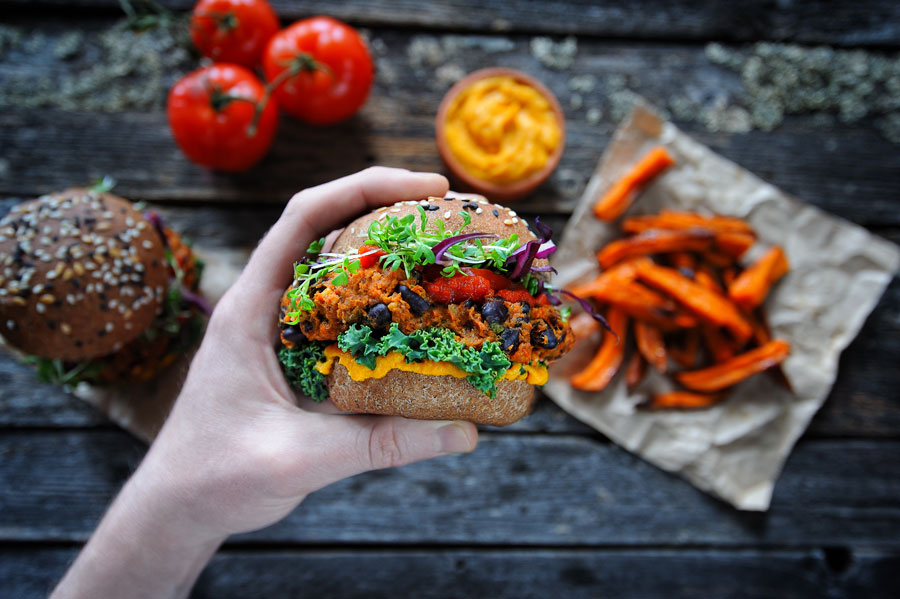
Dining has evolved far beyond simply enjoying a meal. Today’s consumers are searching for immersive moments that stimulate conversation, emotion, and memory. From multi-sensory tasting menus to interactive culinary storytelling, creative food experiences are shaping the future of hospitality and entertainment.
Modern diners want more than excellent flavors. They want atmosphere, engagement, personalization, and moments worth sharing. Restaurants, event creators, and culinary innovators that understand this shift are building experiences that resonate long after the last course is served.
As expectations continue to rise, businesses that embrace innovation in food culture are finding new ways to connect with audiences while creating stronger brand loyalty and memorable guest interactions.
- Why Creative Food Experiences Matter More Than Ever
- The Rise of Multi-Sensory Dining
- How Technology Is Influencing Creative Food Experiences
- The Connection Between Food, Emotion, and Memory
- Social Media’s Influence on Experiential Dining
- Why Storytelling Enhances Culinary Experiences
- How Businesses Can Create More Meaningful Dining Experiences
- The Future of Creative Food Experiences
- Why Consumers Are Seeking Experiences Over Products
- Final Thoughts
Why Creative Food Experiences Matter More Than Ever
The hospitality industry has entered an experience-driven era. Consumers now prioritize emotional value just as much as product quality. Food is no longer viewed only as nourishment; it has become entertainment, art, and social connection combined.
Creative food experiences help businesses:
- Increase customer engagement
- Encourage repeat visits
- Generate social media visibility
- Strengthen word-of-mouth marketing
- Differentiate from competitors
- Build emotional connections with guests
People remember how an experience made them feel. A thoughtfully designed culinary event creates lasting impressions that traditional dining alone often cannot achieve.
This shift is especially visible among younger audiences who actively seek unique outings that combine food, culture, music, visuals, and storytelling into one cohesive experience.
The Rise of Multi-Sensory Dining
One of the biggest trends influencing creative food experiences is multi-sensory dining. This concept combines flavor with sound, lighting, visual art, texture, and interactive elements to create a fully immersive environment.
Scientific studies continue to show that sensory stimulation can influence how people perceive flavor, mood, and satisfaction during a meal. Music, for example, can affect the perceived sweetness or intensity of food, while lighting and presentation can alter appetite and emotional response.
Restaurants and event creators are increasingly incorporating:
Soundscapes and Curated Audio
Music and ambient sound help establish mood and guide emotional pacing throughout a dining experience. Carefully selected audio can create anticipation, relaxation, excitement, or nostalgia.
A synchronized sound environment can elevate every course and help guests feel fully immersed in the moment.
Visual Storytelling
Projection mapping, artistic plating, themed décor, and dynamic lighting all contribute to visual engagement. Guests are drawn to experiences that feel cinematic and interactive rather than static.
Visual elements also encourage social sharing, helping brands gain organic online visibility.
Interactive Participation
Hands-on dining activities create stronger emotional investment from guests. This may include:
- Chef-guided tastings
- DIY plating stations
- Flavor pairing exercises
- Live culinary demonstrations
- Collaborative group dining concepts
Participation transforms guests from passive diners into active contributors to the experience.
How Technology Is Influencing Creative Food Experiences
Technology continues to reshape hospitality in exciting ways. Businesses that strategically integrate innovation can create highly personalized and memorable interactions.
Immersive Digital Environments
Projection mapping and responsive lighting systems can completely transform a dining space. Themes can shift throughout the evening to match menu progression, storytelling, or musical transitions.
These immersive environments allow restaurants and event organizers to deliver experiences that feel dynamic and theatrical.
Augmented and Virtual Reality
Some culinary events now incorporate augmented reality elements that allow diners to interact with digital storytelling while enjoying physical dishes.
Virtual reality can transport guests into themed environments that complement the menu concept, creating deeper emotional engagement.
Personalized Guest Experiences
Technology also enables customization. Restaurants can tailor menus, music, pacing, and dietary accommodations based on guest preferences and prior visits.
Personalization increases customer satisfaction and creates a stronger sense of exclusivity.
The Connection Between Food, Emotion, and Memory
Food has always been deeply connected to human emotion. Certain flavors, aromas, and environments can instantly trigger memories and emotional responses.
Creative food experiences amplify this emotional connection by intentionally designing moments that engage multiple senses simultaneously.
This approach creates stronger memory retention because the brain processes layered sensory experiences more deeply than isolated interactions.
For businesses, this matters because memorable experiences are more likely to generate:
- Positive reviews
- Social media sharing
- Repeat business
- Customer referrals
- Brand loyalty
When guests associate a dining experience with strong positive emotions, they are far more likely to return and recommend it to others.
Social Media’s Influence on Experiential Dining
Social media has dramatically accelerated demand for immersive dining concepts. Consumers actively seek experiences that are visually compelling and emotionally engaging enough to share online.
Platforms like Instagram, TikTok, and YouTube have turned food presentation and atmosphere into major drivers of consumer behavior.
Successful creative food experiences often include:
- Visually striking presentations
- Interactive installations
- Unique plating techniques
- Unexpected sensory moments
- Dramatic reveals
- Share-worthy ambiance
However, authenticity remains essential. Experiences designed solely for social media without genuine substance rarely maintain long-term customer interest.
The most successful hospitality concepts balance visual appeal with exceptional food quality, thoughtful storytelling, and meaningful guest engagement.
Why Storytelling Enhances Culinary Experiences
Storytelling is one of the most powerful tools in modern hospitality. It provides emotional context that helps guests connect more deeply with a meal.
A thoughtfully crafted narrative can transform a simple dinner into a memorable journey.
Storytelling may include:
Cultural Inspiration
Menus inspired by regional traditions or personal heritage create emotional authenticity and educational value.
Ingredient Origins
Sharing the story behind locally sourced ingredients or artisanal partnerships builds trust and transparency.
Sequential Experiences
Tasting menus with progressive themes create anticipation and emotional flow throughout the dining journey.
When storytelling aligns naturally with the atmosphere, sound, visuals, and menu design, the result feels cohesive and immersive.
How Businesses Can Create More Meaningful Dining Experiences
Businesses do not need massive budgets to create memorable culinary events. Creativity, intentional design, and guest understanding often matter more than expensive technology.
Here are several practical ways hospitality brands can develop stronger creative food experiences.
Focus on Atmosphere
Lighting, music, seating arrangements, scent, and pacing all influence how guests perceive a meal.
Small environmental improvements can dramatically enhance emotional impact.
Prioritize Guest Interaction
Encourage participation through chef conversations, tasting notes, collaborative serving methods, or live preparation stations.
Guests who feel involved are more likely to remember the experience positively.
Build Emotional Connections
Experiences become more powerful when they trigger nostalgia, curiosity, excitement, or surprise.
Thoughtful details often create the strongest emotional reactions.
Invest in Staff Training
Team members play a major role in delivering immersive hospitality. Staff who understand the concept behind an experience can communicate it more effectively and create stronger guest engagement.
Maintain Culinary Quality
No amount of technology or entertainment can compensate for poor food quality.
Exceptional flavor, freshness, and presentation remain the foundation of successful dining experiences.
The Future of Creative Food Experiences
As hospitality trends continue evolving, immersive dining concepts will likely become even more personalized, interactive, and emotionally driven.
Future innovations may include:
- AI-powered personalization
- Adaptive sensory environments
- Interactive storytelling systems
- Hybrid physical-digital dining
- Sustainable immersive concepts
- Real-time guest customization
At the same time, authenticity will remain essential. Consumers increasingly value experiences that feel thoughtful, human, and emotionally meaningful.
Businesses that successfully combine innovation with genuine hospitality will continue leading the industry forward.
Why Consumers Are Seeking Experiences Over Products
Modern consumers increasingly prioritize experiences because experiences create emotional value and lasting memories.
Research across hospitality and consumer behavior consistently shows that people derive more long-term satisfaction from meaningful experiences than from material purchases alone.
Dining has become one of the most accessible ways for people to explore creativity, culture, entertainment, and connection in a single setting.
Creative food experiences satisfy this desire by offering:
- Emotional engagement
- Social connection
- Personal discovery
- Entertainment value
- Cultural exploration
- Memorable storytelling
This explains why immersive dining concepts continue attracting attention across global hospitality markets.
Final Thoughts
The future of hospitality belongs to businesses that understand the emotional power of immersive dining. Creative food experiences combine flavor, atmosphere, storytelling, technology, and human connection into moments that guests genuinely remember.
As consumer expectations continue evolving, innovation in dining will remain a major competitive advantage for restaurants, culinary creators, and experiential brands.
Businesses that invest in meaningful, thoughtfully designed experiences are not simply serving meals they are creating lasting memories that inspire conversation, loyalty, and emotional connection long after the event ends.
To learn more about immersive culinary concepts and modern experiential dining, visit Echo Taste and Sound and discover how sensory-driven hospitality continues reshaping the future of food culture.