
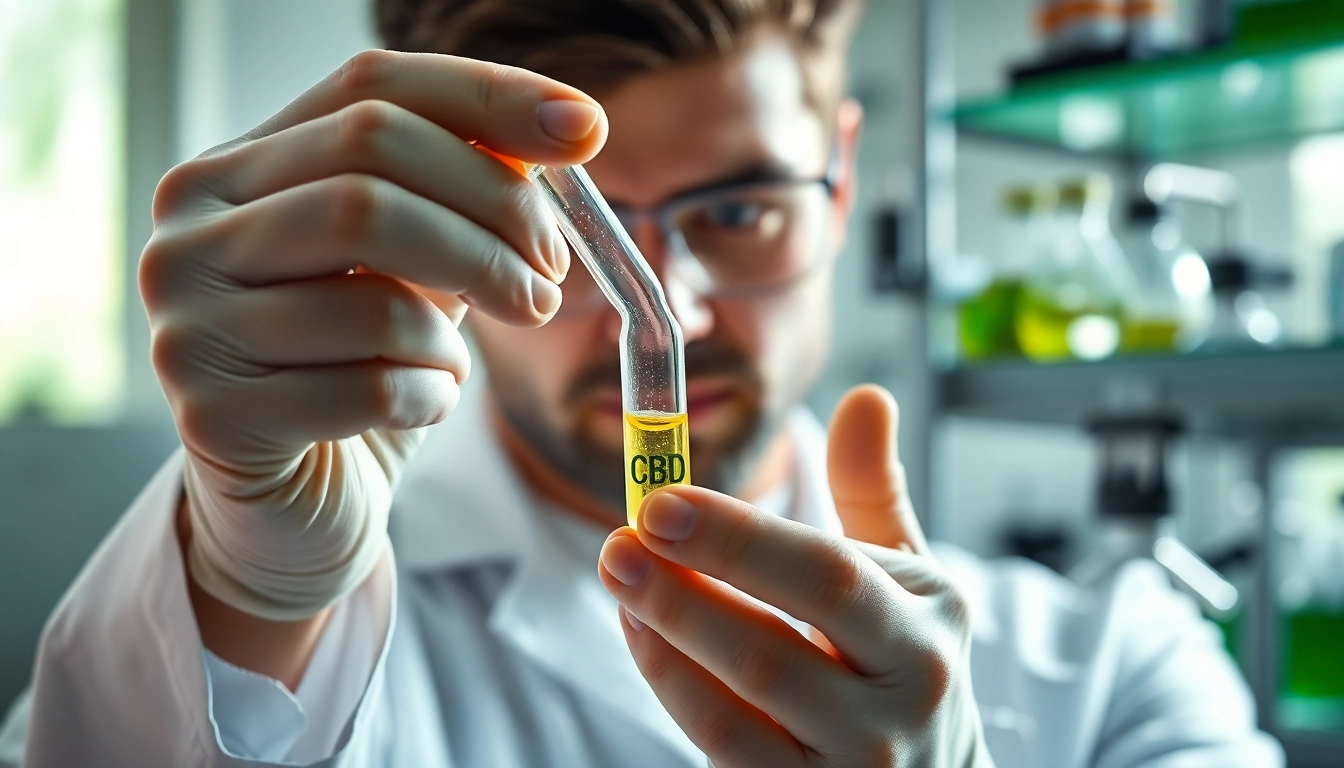
Introduction to CBD: What You Need to Know
Understanding CBD and Its Origins
Cannabidiol, known as CBD, is one of the most well-known compounds derived from the cannabis plant, specifically from the hemp variety. Unlike THC (tetrahydrocannabinol), another prominent cannabinoid, CBD does not possess psychoactive properties, meaning it won't produce the 'high' typically associated with cannabis use. CBD has gained immense popularity due to its potential therapeutic effects, which are believed to stem from its interaction with the body's endocannabinoid system (ECS). The ECS regulates various functions such as mood, pain sensation, and immune response, thus suggesting a significant role for CBD in enhancing overall wellness.
The Legal Landscape of CBD
The legal status of CBD varies significantly across different jurisdictions. In many areas, CBD derived from hemp is legal, especially following the 2018 Farm Bill in the United States, which legalized hemp cultivation and the production of hemp-derived products. However, regulations surrounding CBD products can be complex and subject to change. Consumers are strongly advised to verify the legality of CBD in their respective regions, ensuring compliance with local laws to avoid any legal difficulties.
Benefits of Using CBD in Daily Life
Incorporating CBD into daily routines may offer numerous benefits ranging from enhancing general well-being to addressing specific health issues. Many users report improvements in sleep quality, reductions in anxiety levels, and relief from chronic pain. Additionally, as public interest in natural health products continues to rise, the appeal of CBD as a holistic remedy has also grown. Its versatility allows users to integrate it into various daily practices, whether through tinctures, capsules, or topical applications, thus promoting overall health and wellness.
Health Benefits of CBD: What Does the Research Say?
CBD for Pain Management
Numerous studies suggest that CBD may act as an effective analgesic, providing relief for individuals suffering from chronic pain, arthritis, and multiple sclerosis. By interacting with the ECS, CBD may reduce inflammation and the perception of pain, helping those who are seeking alternatives to conventional pain medications with potential side effects. Some research indicates that CBD may be particularly effective when combined with THC, offering a synergistic effect for enhancing pain relief.
CBD and Anxiety Relief
CBDB has gained attention for its potential benefits in treating anxiety disorders, including generalized anxiety disorder, social anxiety disorder, and post-traumatic stress disorder (PTSD). Studies have highlighted that CBD may help regulate serotonin levels in the brain, a neurotransmitter involved in mood regulation. By promoting a sense of calm and relaxation, CBD may serve as a natural alternative for individuals seeking to reduce anxiety without the sedative effects common in prescription medications.
Cannabinoids and Sleep Quality
Researchers have begun to explore the relationship between CBD and sleep quality, with preliminary findings suggesting that it may improve sleep onset, duration, and overall sleep quality. Many users report experiencing deeper and more restful sleep after incorporating CBD into their routines, potentially due to its ability to alleviate factors such as anxiety and pain that can disrupt sleep patterns. However, more rigorous and large-scale studies are necessary to confirm these effects conclusively.
How to Use CBD: Methods and Dosages
Different Forms of CBD Products
CBD products come in various forms, each catering to different preferences and needs. Common forms include oils, tinctures, capsules, edibles, and topical creams. Oils and tinctures are often favored for their quick onset of effects, while capsules and edibles provide a discreet and convenient option for on-the-go use. Topical applications may target localized pain or inflammation, making them ideal for specific conditions. Understanding each format's advantages can help users make informed decisions aligned with their intended use.
Choosing the Right Dosage
Determining the appropriate dosage of CBD can be complex, influenced by factors such as individual body chemistry, weight, and the condition being treated. It’s recommended for new users to start with a low dose and gradually increase until the desired effects are achieved. Consulting with a healthcare professional, particularly for individuals with existing health concerns or those taking other medications, can ensure a safe and effective approach.
Combining CBD with Other Treatments
Many individuals look for holistic treatment plans that incorporate CBD with other therapies. This practice can enhance the overall effectiveness of a treatment regimen, especially for chronic conditions like pain and anxiety. However, it is essential to consult healthcare professionals before combining CBD with other medications or treatments, as drug interactions can occur, potentially affecting efficacy and safety.
Safety and Side Effects of CBD: An In-Depth Look
Potential Side Effects of CBD Usage
While CBD is generally considered safe for most individuals, it may cause some side effects, including fatigue, diarrhea, changes in appetite, and dry mouth. These effects tend to be mild and often resolve as the body adjusts to the compound. Nonetheless, awareness of these potential side effects is essential, as sensitivity to CBD can vary from person to person.
Drug Interactions and Considerations
Caution is advised when combining CBD with other medications, as it may interact with certain drugs, particularly those metabolized by the liver. For instance, CBD can inhibit the cytochrome P450 enzyme system, which plays a critical role in drug metabolism. Engaging in open dialogue with healthcare professionals regarding current medications and any potential interactions is crucial to maintaining safety and avoiding adverse reactions.
Choosing Quality Products: What to Look For
Quality matters when selecting CBD products. Consumers should look for third-party lab testing results, which verify the product's potency and purity, ensuring that it contains the stated amount of CBD without harmful contaminants. Transparent sourcing of hemp, preferable organic certification, and reputation among users also serve as indicators of a quality CBD product. Being informed empowers consumers to make healthier and more beneficial choices.
FAQs About CBD: Discovering Common Concerns
Is CBD legal everywhere?
CBD legality varies by region. In many places, particularly in the U.S., CBD derived from hemp is legal. However, local laws should always be verified to ensure compliance.
Can CBD cause a high?
No, CBD does not cause a high effect; it is non-psychoactive and does not produce the same effects as THC, the compound responsible for feelings of euphoria in cannabis.
How does CBD interact with medications?
CBD can interact with certain medications, particularly those metabolized by the liver. It's crucial to consult with a healthcare professional before combining CBD with any prescription drugs.
Are there risks associated with CBD?
Generally safe for most users, CBD can cause mild side effects such as fatigue or digestive issues. Individual reactions may vary, making personal awareness essential.
How to choose the best CBD product?
Look for third-party testing, clear sourcing information, and positive user reviews. Product potency, purity, and manufacturer reputation are key factors to consider.