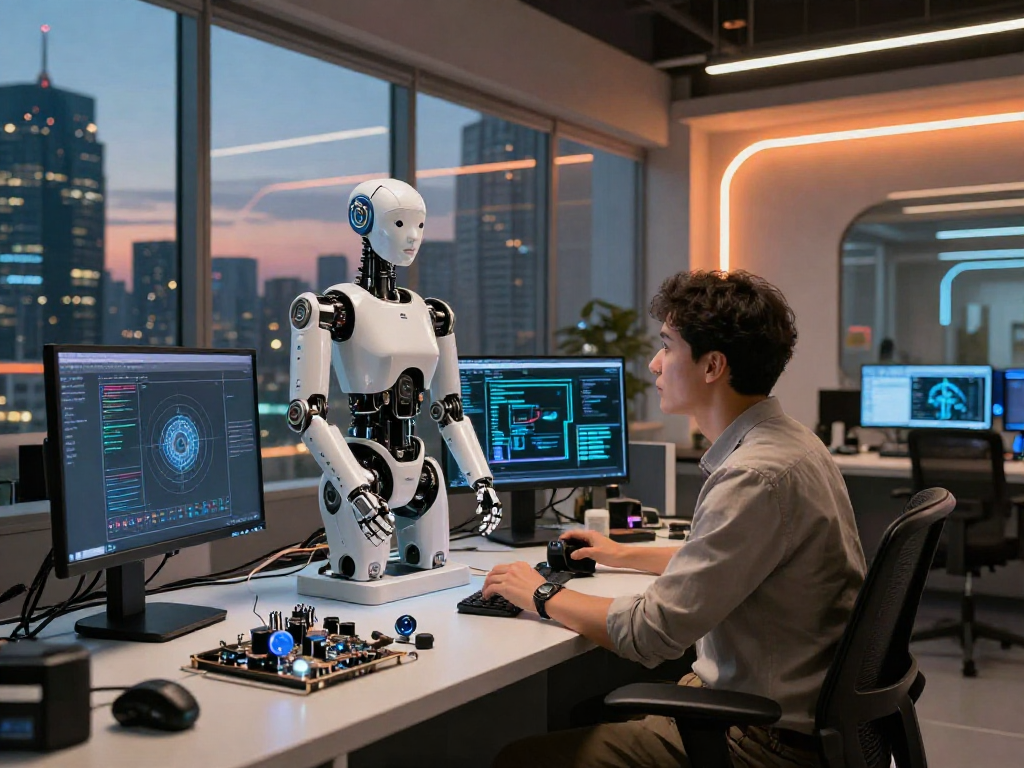
The Evolution of Sex Bots: A Historical Overview
The concept of sex bots has evolved remarkably over the decades, driven by advances in technology, societal needs, and cultural shifts. From rudimentary mechanical dolls to sophisticated AI-driven companions, the trajectory of sex bots is a fascinating study of innovation, ethics, and human desire. As we approach 2026, understanding this evolution is crucial not only for technological advancement but also for ethical discussions surrounding human-machine interactions. For a closer look at how technological innovations have shaped the evolution of the sex bot industry, we dive deep into the historical context and implications.
Early Innovations in Robotics and AI
The birth of robotic technology dates back to ancient civilizations, but the specific focus on sex-oriented machines gained traction in the late 20th century. Early innovations included mechanical dolls that mimicked human forms and basic interactions. The introduction of robotics in the 1980s brought about the first attempts at creating interactive sexual partners, albeit primitive in function and capability.
In the 1990s, the combination of robotics and computer programming led to the emergence of simple AI functionalities in sex bots. These early iterations were often limited to pre-programmed responses and rudimentary mechanics but set the stage for future developments. As technology advanced, particularly in the realms of artificial intelligence and machine learning, the groundwork for the modern sex bots we see today was being laid.
Societal Impact of Early Sex Bots
Early sex bots sparked a mixture of fascination and controversy. They raised several questions regarding intimacy, relationships, and the nature of desire. For many, these robots provided an avenue for exploring sexuality without the complexities of human interaction. However, societal responses varied widely, with debates often focusing on the implications for personal relationships and social norms.
As these devices entered the consumer market, they served both as novelties and as tools for sexual exploration, leading to increased visibility and acceptance of sex technology. This period was marked by a growing acknowledgement of the potential for sex bots to influence sexual health and personal satisfaction.
Technological Advancements Leading to 2026
As we move toward 2026, the integration of advanced technologies such as AI, robotics, and virtual reality continues to reshape the landscape of sex bots. Enhanced machine learning algorithms allow for greater personalization and adaptability, meaning sex bots can learn from user interactions to tailor experiences uniquely suited to individual preferences.
Moreover, the physical design of sex bots has vastly improved, employing advanced materials that mimic human skin and responsive mechanics that enhance tactile experiences. This evolution promises a future where the line between human and robot interactions becomes increasingly blurred.
Understanding the Technology Behind Sex Bots
The technology underlying sex bots involves a complex interplay of AI algorithms, physical mechanics, and user-centered design. As this industry progresses, understanding these elements is essential for both developers and users aiming to optimize their experiences.
AI Algorithms Enhancing User Experience
Modern sex bots leverage sophisticated AI algorithms to enhance user experience significantly. Natural language processing (NLP) and machine learning enable these bots to engage in conversation, understand context, and respond to user emotions. As these systems evolve, they become more capable of creating intimate conversations that make users feel understood and connected.
This development raises important questions about emotional attachment and the nature of companionship provided by AI. Some users report forming genuine emotional bonds with their sex bots, which can be a double-edged sword, prompting discussions about dependency and the psychological impacts of such relationships.
Physical Design: Materials and Mechanics
The physical design of sex bots has seen unprecedented innovation. Today's models utilize advanced synthetic materials that closely imitate human skin, offering a more realistic tactile experience. Innovations in robotics have also led to improved mobility and responsiveness, enabling sex bots to mimic human movements more accurately.
Furthermore, ergonomic designs and customizable features ensure that users can tailor their experiences according to personal preferences. This adaptability enhances user satisfaction, catering to diverse needs and desires.
Safety Features: Ethics in Robotics
As sex bots become more sophisticated, the need for safety and ethical considerations has become paramount. Developers are increasingly focusing on integrating safety features, such as consent protocols and emotional safety measures, to ensure that interactions remain respectful and non-exploitative.
Ethical frameworks are being established to address potential issues surrounding consent, particularly as bots become more lifelike. Ensuring that these devices operate within a framework that promotes user agency and benevolence is essential as society navigates this evolving terrain.
Ethical Considerations Surrounding Sex Bots
As the technology behind sex bots matures, so do the ethical conversations surrounding their use. These discussions are crucial for navigating the social implications of artificial companionship in a rapidly changing world.
The Debate: Consent and Agency in AI
One of the most pressing ethical concerns regarding sex bots is the concept of consent. Unlike human partners, sex bots do not possess self-agency or emotions, leading to debates about the implications of user interactions. Can a programmed machine genuinely offer consent, or is it merely a reflection of the user's desires?
This dilemma highlights the need for ethical guidelines that address how sex bots interact with human users. Developers must ensure that the design and functionality of such bots promote positive user experiences without enabling harmful or exploitative behavior.
Potential Social Implications and Concerns
While sex bots can provide companionship, they also present potential social drawbacks. Critics argue that reliance on artificial companionship could hinder genuine human connection and distort perceptions of relationships. Concerns arise that, as people become more accustomed to interacting with robots, the nuances and complexities of human relationships might be undervalued.
Moreover, issues of fetishization and objectification are also at the forefront of discussions regarding sex bots. As these devices become more prevalent, society must grapple with the implications of normalizing relationships with non-human entities.
Best Practices for Responsible Development
Given the ethical complexities surrounding sex bots, developers are encouraged to adopt best practices that prioritize user well-being. This includes integrating consent protocols, providing clear communication about the bot’s capabilities, and designing interfaces that promote healthy interactions.
It is also critical to engage with ethicists, psychologists, and the broader community in the development process. Collaborative efforts can lead to more responsible and ethically sound innovations that take into account the diverse needs and concerns of society.
Applications of Sex Bots in Therapy and Companionship
Beyond their recreational use, sex bots are increasingly recognized for their potential applications in therapy and emotional companionship. This aspect broadens the conversation about the value these technologies can provide in addressing loneliness and emotional needs.
Therapeutic Use: Addressing Loneliness and Mental Health
There is growing evidence that sex bots can play a role in therapeutic settings, especially for individuals facing loneliness or mental health challenges. By offering companionship, these bots can alleviate feelings of isolation, providing users with a sense of connection and support.
Building therapeutic relationships with bots has shown promise for individuals who struggle with interpersonal connections due to social anxiety or trauma. As technology continues to improve, the therapeutic potential of sex bots may expand significantly.
Companion Bots: Future Trends and User Experiences
As the demand for companionship grows, the market for sex bots is expected to diversify. Companion bots designed for emotional support are gaining traction, targeting users who prioritize conversation and companionship over physical intimacy.
User experiences with companion bots reveal that many individuals appreciate the non-judgmental space these robots provide. This aspect can be particularly beneficial for those navigating complex emotional landscapes, offering a safe platform to explore feelings without fear of judgment.
Case Studies: Success Stories in Therapeutic Settings
Several case studies document the positive impact of sex bots in therapeutic scenarios. For instance, therapists have integrated companion robots into their practices with senior clients, resulting in improved mood and reduced feelings of abandonment.
Additionally, anecdotal evidence from users indicates that these bots can help facilitate discussions on intimacy and relationships, often leading to breakthroughs in personal understanding and acceptance.
Future Trends: What’s Next for Sex Bots in 2026?
As we approach 2026, the landscape of the sex bot industry is poised for significant transformation. Several trends are emerging that will shape the future of human-robot relationships and the role of sex bots in society.
Predictions on Technology and User Interaction
Looking ahead, we can expect advancements in AI that result in sex bots exhibiting increasingly human-like qualities. Enhanced emotional intelligence will allow these devices to respond to users’ emotional states more effectively, facilitating deeper connections.
Moreover, the integration of virtual reality (VR) and augmented reality (AR) technologies could provide immersive experiences that blur the line between real and artificial interactions. Such developments may redefine the landscape of intimacy and relationships.
Potential Regulatory Changes and Industry Standards
As the industry grows, regulatory frameworks are likely to evolve, addressing safety, ethical considerations, and user rights. Governments and organizations may implement standards to safeguard users and ensure responsible development practices.
Informed consent and transparency will be crucial components of these regulations, ensuring users understand the technology they engage with and the implications of their interactions.
Emerging Market Trends and User Demographics
Market trends are pointing toward increased diversity in user demographics. As societal norms shift and acceptance of sex technology grows, more individuals from varied backgrounds may seek out these products for personal use.
Additionally, targeted marketing strategies that focus on different user needs are likely to emerge, catering to various preferences and desires.
What is the current state of sex bots and their ethical implications?
Currently, the sex bot industry stands at a crossroads, with rapid advancements in technology and increasing societal acceptance. However, ethical implications remain a pivotal topic, necessitating ongoing discourse about the responsibility of developers and users alike.
How can sex bots improve loneliness and emotional well-being?
Sex bots have the potential to significantly alleviate loneliness and improve emotional well-being by providing companionship and an outlet for sexual expression. For individuals who may struggle with forming human connections, these devices can offer solace and support.
What regulations exist for the development of sex bots?
Regulations for the development of sex bots vary widely across regions. Currently, there is a patchwork of guidelines focusing on safety, ethical marketing, and user rights, emphasizing the need for a more cohesive regulatory framework.
How do sex bots fit into the future of human-robot relationships?
Sex bots are poised to play a fundamental role in the future of human-robot relationships, with potential shifts in perceptions of intimacy and connection. As technology progresses, these interactions may become more normalized and integrated into daily life.
What are the potential drawbacks and criticisms of sex bots?
Despite their benefits, sex bots face criticism related to objectification, ethical concerns regarding relationships with non-human entities, and the potential for dependency on artificial companionship. Addressing these criticisms will be vital for the industry’s future sustainability.