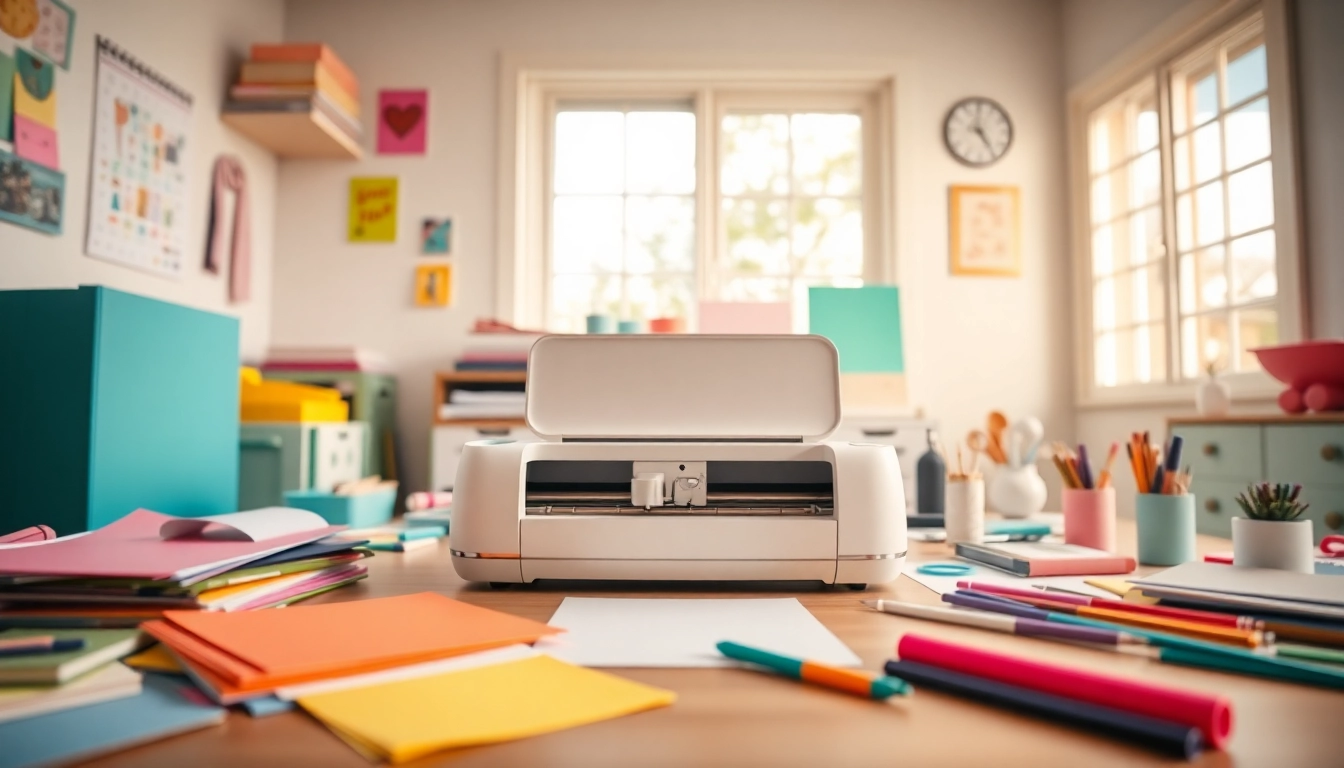
Getting Started with Cricut for Beginners
Embarking on your crafting journey with a Cricut machine can be exciting yet overwhelming, especially for beginners. Whether you're looking to create custom designs, personalized gifts, or intricate home décor, mastering the Cricut machine opens up a world of creative possibilities. In this comprehensive guide, we will walk you through everything you need to know to get started, from understanding your machine to executing your first projects successfully. The resources and tips provided here will ensure you gain the confidence to explore your creativity fully. For detailed insights specifically targeted at newcomers, visit Cricut for beginners.
Understanding Your Cricut Machine
Your Cricut machine is a cutting tool designed to cut materials such as paper, vinyl, fabric, and more. The most popular models for beginners include the Cricut Explore Air 2 and the Cricut Maker. Each model has its unique set of features, but all will provide you with the basic functionality needed for crafting. The Cricut’s intuitive design and associated software, Cricut Design Space, enable users to create intricate designs easily. Let’s break down the key components of your Cricut machine:
- Blade: The cutting tool that slices through materials.
- Mat: The surface on which you position your material for cutting.
- Design Software: Cricut Design Space for creating and managing your projects.
- Power Source: Ensure your machine is plugged in and ready to go.
Essential Tools and Materials for New Users
Alongside your Cricut machine, having the right tools and materials will enhance your crafting experience. Here’s a starter list of essentials:
- Weeding Tools: These help you remove excess material from your cuts.
- Scissors: Useful for trimming edges and working with finer details.
- Transfer Tape: Perfect for transferring delicate vinyl designs without losing integrity.
- Crafting Knife: For precise cuts and adjustments.
- Various Materials: Start with vinyl, cardstock, and iron-on materials to explore different projects.
Your First Steps: Setting Up the Cricut Software
Before diving into your first project, it’s crucial to set up Cricut Design Space. This online software is where you’ll create, modify, and prepare your designs for cutting. Follow these steps to get started:
- Download and install Cricut Design Space on your computer or mobile device.
- Create an account if you don’t already have one.
- Familiarize yourself with the interface by exploring pre-made templates and designs.
- Connect your Cricut machine to your computer via USB or Bluetooth, depending on your model.
- Run a test cut with a simple shape to ensure everything is working correctly.
Key Projects for Cricut Beginners
Simple Vinyl Decals: A Step-by-Step Guide
Creating vinyl decals is one of the best introductory projects for new users. Not only are they straightforward to make, but they also produce impressive results that can be used to personalize home items or gifts.
- Select your design in Cricut Design Space.
- Choose a vinyl sheet in your preferred color and load it onto the cutting mat.
- Set the machine to “Vinyl” in the material settings.
- Run the cut and wait patiently while your machine does its work.
- Once finished, weed out the excess vinyl, leaving only your design.
- Use transfer tape to apply the decal onto your desired surface.
Creating Personalized Cards for Every Occasion
Personalized cards are a wonderful way to express sentiments for any occasion. With Cricut, you can design unique cards tailored to birthdays, holidays, or just because!
- Choose your card design and size in the software.
- Load card stock into the cutting mat.
- Set the material settings based on the thickness of your card stock.
- Cut and assemble, adding embellishments or writing for a personal touch.
Beginner-Friendly Home Décor Projects
Transforming your living space is another great way to utilize your Cricut machine. Here are a few easy projects to consider:
- Custom wall art using vinyl lettering.
- Decorative pillows with iron-on designs.
- Seasonal décor items that can be updated throughout the year.
Common Challenges Faced by Beginners
Understanding Cutting Materials: Tips to Avoid Mistakes
One of the most common challenges beginners face is selecting the right materials for their projects. Here are some tips to help you navigate this:
- Read Material Recommendations: Each material has specific settings, so consulting the material guide is essential.
- Experiment: Don’t be afraid to do test cuts on scraps to find the best settings.
- Store Materials Properly: Keep your materials flat and away from direct sunlight to ensure they don’t warp.
Common Software Issues and How to Troubleshoot Them
Like any software, Cricut Design Space can occasionally have hiccups. Common issues include connectivity problems, slow performance, or design glitches. Here’s how to troubleshoot:
- Check Your Internet Connection: Ensure you have a steady connection, as Design Space relies on online access.
- Update Software: Keeping your software updated can fix bugs and improve performance.
- Restart Your Machine: Sometimes, a simple restart can resolve temporary issues.
Budgeting for Your Cricut Journey: What to Expect
Starting with Cricut can be a bit pricey, but budgeting will help you manage costs. Anticipate the following expenses:
- Machine Costs: Depending on the model, prices can range significantly.
- Materials: Consider the recurring costs for vinyl, cardstock, and other supplies.
- Tools and Accessories: Invest in quality tools to enhance your crafting experience.
Best Practices for Cricut Crafting
Maintaining Your Cricut Machine for Longevity
Taking care of your Cricut machine is essential to ensure it operates smoothly and lasts for years. Here are some maintenance tips:
- Clean the Blades: Regularly check and clean your blades to prevent build-up and ensure precise cuts.
- Keep it Dust-Free: Store your machine in a dust-free environment or use a dust cover when not in use.
- Follow the Maintenance Schedule: Refer to the user manual for recommended maintenance tasks.
Organizing Your Crafting Space Effectively
A well-organized crafting space can make a significant difference in your crafting experience. Consider these tips:
- Use containers and drawers to separate materials by type or project.
- Keep frequently used tools within easy reach for efficiency.
- Create a designated area for your Cricut machine that allows for easy access and ample workspace.
Finding Inspiration: Online Resources and Communities
Connecting with fellow crafters and exploring online resources can provide a wealth of inspiration:
- Join Facebook groups dedicated to Cricut crafting.
- Follow popular craft blogs and YouTube channels for tutorials and project ideas.
- Explore Cricut’s official website for templates and design inspiration.
Future Trends in Cricut Crafting (2026 and Beyond)
Innovations in Cricut Technology: What’s on the Horizon?
The crafting industry is constantly evolving, and Cricut is at the forefront of these advancements. Expect to see:
- Enhanced cutting technology that offers even more precision.
- New materials that broaden the scope of what you can create.
- Integration with artificial intelligence for personalized project recommendations.
Eco-Friendly Crafting: Sustainable Materials and Practices
As awareness of environmental issues grows, so does the demand for sustainable crafting practices. Trends likely to shape the future include:
- Increased availability of eco-friendly materials.
- Guidance on making sustainable crafting choices.
- Innovative recycling practices for crafting materials.
Expanding Your Skills: Advanced Techniques for Crafting
Once you’ve mastered the basics, consider delving into advanced techniques like:
- 3D design and cutting for more intricate projects.
- Combination of multiple materials to create mixed-media art.
- Learning software updates that introduce new features for crafting flexibility.