
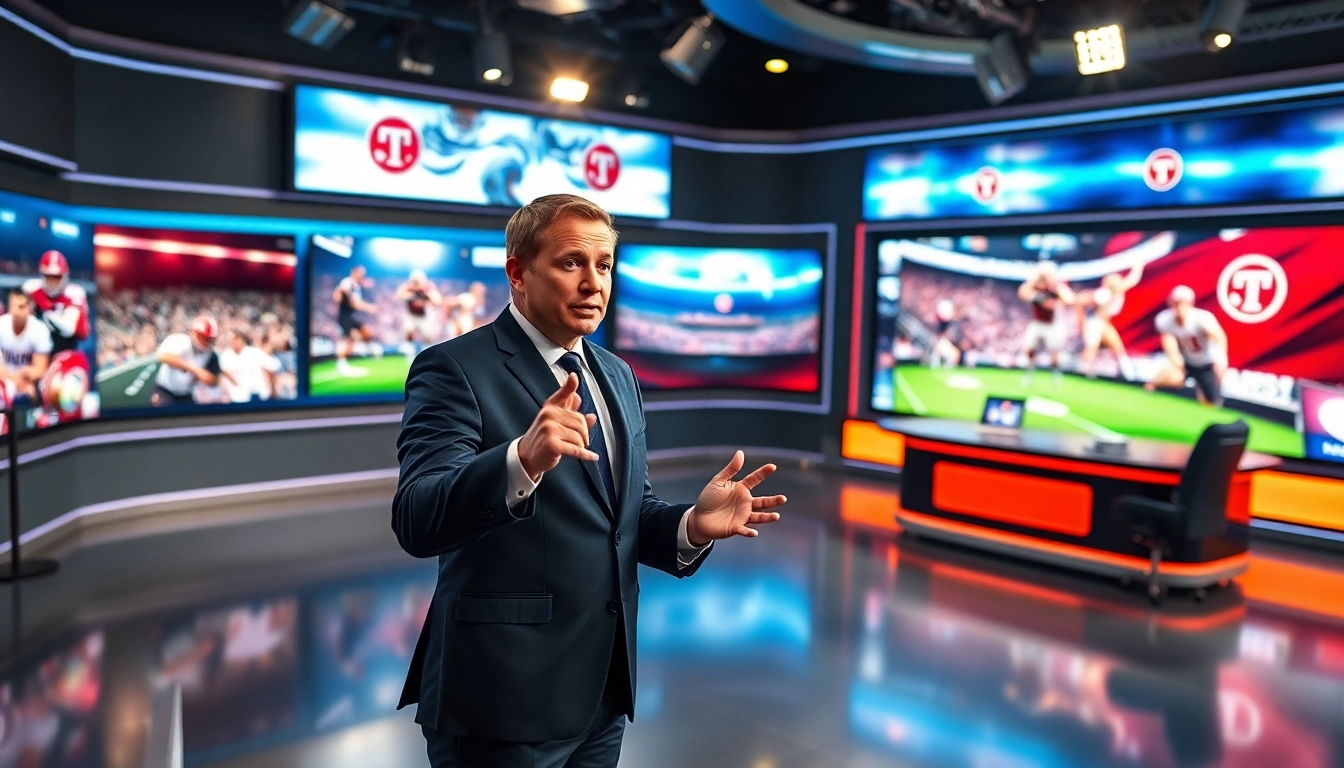
Understanding Sports Broadcasting
Definition and Importance of Sports Broadcasting
Sports broadcasting refers to the distribution of sports events over mass communication channels, primarily television, radio, and online platforms. This medium serves an essential role in connecting athletes with fans, offering real-time commentary and analysis that enhances the audience’s experience. In today’s fast-paced media environment, Sports Broadcasting not only informs fans of game insights and statistics but also fosters community engagement and loyalty among viewers.
Historical Evolution of Sports Broadcasting
The roots of sports broadcasting can be traced back to the early 20th century when radio broadcasts began to relay sports events to audiences in a more engaging manner. As technology advanced, the introduction of television in the mid-20th century revolutionized how fans consumed sports. Televised games brought a new level of excitement, allowing fans to watch their favorite teams from the comfort of their homes, significantly widening the audience base. The late 20th century and early 21st century saw the rise of cable networks specializing in sports, further catering to niche audiences, and paving the way for the current boom in streaming services, which offer diverse, on-demand access to sports content.
Key Components of Sports Broadcasting
Successful sports broadcasting hinges on several key components:
- Commentary: Knowledgeable commentators provide real-time analysis and context, contributing to the viewers’ understanding of the game.
- Production Quality: High-definition video, sound quality, and professional production values are vital for enhancing the viewing experience.
- Studio Analysis: Pre-game and post-game shows featuring expert insights help deepen viewers’ engagement with the sport.
- Social Media Integration: Harnessing platforms for live feedback and interaction enriches viewer participation and keeps fans engaged.
Technology in Sports Broadcasting
Latest Advancements in Broadcasting Technology
The sports broadcasting landscape is being continually transformed by advances in technology. Some notable innovations include:
- 4K and 8K Resolution: Enhanced clarity and detail improve viewer engagement, making audiences feel almost as if they’re in the stadium.
- Virtual Reality (VR): VR provides immersive experiences that allow fans to feel part of the action, changing the way viewers experience live events.
- Augmented Reality (AR): This technology adds supplemental graphics and stats directly over the live feed, enriching the data experience for the audience.
Impact of Streaming Services on Sports Broadcasting
The explosion of streaming services has reshaped the sports broadcasting landscape dramatically. Fans are drawn to the flexibility and convenience that these platforms offer, allowing them to watch games on any device, anytime, and from anywhere. Major sports leagues have started to partner with streaming platforms rather than traditional cable networks, enabling direct engagement with their audiences. As a result, viewers can now enjoy a personalized sports experience, with options tailored to individual interests and preferences, leading to unprecedented access to live sports.
Future Trends in Sports Broadcasting Technology
As technology continues to evolve, several trends are expected to shape the future of sports broadcasting:
- Artificial Intelligence: AI will power personalized content delivery, helping to curate sports packages tailored to individual viewing habits and interests.
- Enhanced Interactivity: Future broadcasts may integrate real-time polls, betting options, and viewer participation, creating a more engaging experience.
- 5G Technology: With faster data transmission speeds, 5G will support higher quality streams and seamless live interactions, enhancing remote viewership.
Content Creation for Sports Broadcasting
Developing Compelling Sports Content
To engage and retain audiences, it’s essential to develop compelling content that resonates with sports fans. This involves understanding the interests and preferences of your target demographic. Elements to consider include:
- Storytelling: Present narratives around athletes, teams, and competitions that evoke emotions and build connections with viewers.
- Highlight Reels: Carefully curated content that showcases key moments can effectively engage viewers, especially in highlight-centric formats.
- Behind-the-Scenes Footage: Offering glimpses into training, team dynamics, and locker room interactions can draw fans closer to their favorite teams.
Engaging and Interactive Sports Coverage
Modern audiences crave interactive experiences that go beyond traditional broadcasts. Some effective strategies to enhance engagement include:
- Live Social Media Interactions: Engage viewers in commentary through social media platforms during live events, allowing real-time feedback and interaction.
- Fan Participation: Incorporate polls, quizzes, and contests during broadcasts to enhance viewer involvement and investment.
- User-Generated Content: Encourage fan submissions of footage and stories, creating a community atmosphere around sports events.
Best Practices for Sports Broadcasting Content
To ensure high-quality content that resonates with viewers, broadcasters should adhere to best practices, including:
- Research and Preparation: Stay informed about teams, players, and the latest trends to provide valuable insights and commentary.
- Consistency: Regularly scheduled shows and updates to maintain audience interest and loyalty.
- Quality Control: Emphasize high standards in both production quality and content delivery to maintain a professional image.
Audience Engagement in Sports Broadcasting
Understanding the Target Audience
A key aspect of effective sports broadcasting is a deep understanding of your target audience. This involves demographic research, including age, gender, geographic distribution, and preferences. By profiling audiences, broadcasters can tailor their content to meet specific needs and expectations, enhancing viewer satisfaction and viewership rates.
Strategies for Boosting Audience Interaction
To encourage audience interaction, broadcasters can employ various strategies:
- Interactive Polls and Q&As: Providing opportunities for viewers to ask questions and participate in polls during broadcasts can enhance engagement.
- Exclusive Content: Offering exclusive insights, interviews, and behind-the-scenes footage can make viewers feel more involved and valued.
- Contests and Giveaways: Running contests linked to events or games can incentivize participation and increase viewer loyalty.
Measuring Audience Engagement Performance
To effectively gauge audience engagement, it is crucial to use a variety of metrics, including:
- Viewership Ratings: Traditional metrics like Nielsen ratings provide insight into how many people are watching.
- Social Media Metrics: Monitoring likes, shares, and comments can reveal how content is resonating and engaging with audiences.
- Feedback Surveys: Regularly soliciting audience feedback can provide qualitative insights into viewer satisfaction and preferences.
Challenges in Sports Broadcasting
Common Issues Faced in Sports Broadcasting
Sports broadcasting faces various challenges that can hinder effectiveness. These include:
- Technical Issues: Poor connectivity, audio problems, or video quality can significantly disrupt viewer experience.
- Content Overload: With so much available content, capturing and retaining audience attention can be increasingly difficult.
- Regulatory Challenges: Navigating broadcast rights and regulations can complicate operational strategies for sports broadcasters.
Adapting to Changing Regulations and Technologies
As laws and technologies continue to evolve, sports broadcasters must remain adaptable. This involves staying updated on regulatory changes regarding content rights, privacy, and digital broadcasting. Furthermore, being proactive about adopting new technologies will help organizations maintain competitiveness and embrace new opportunities for audience engagement.
Long-term Solutions for Sustaining Sports Broadcasting
For sustainable success in sports broadcasting, organizations need to focus on:
- Diversifying Revenue Streams: Exploring multiple income sources, such as advertising, sponsorships, and subscription models, reduces reliance on one revenue type.
- Investing in Technology: Regularly upgrading broadcasting technologies and software ensures quality and engagement remain high.
- Building Stronger Community Ties: Engaging with local communities and sports enthusiasts fosters loyalty and creates a committed viewer base.
FAQs
What is sports broadcasting? Sports broadcasting involves sharing live or recorded sports events through media platforms, informing and engaging fans effectively.
How has technology changed sports broadcasting? Technology has introduced HD, VR, and AI, enhancing viewer experience and reshaping how audiences engage with sports.
What skills are needed for a career in sports broadcasting? Key skills include communication, sports knowledge, on-air presentation, and quick thinking to engage audiences.
How do you measure audience engagement in sports broadcasting? Engagement is tracked through ratings, online interactions, and feedback, indicating content performance.
What are the future trends in sports broadcasting? Emerging trends include AI for personalized content, increased streaming use, and interactive live graphics during broadcasts.