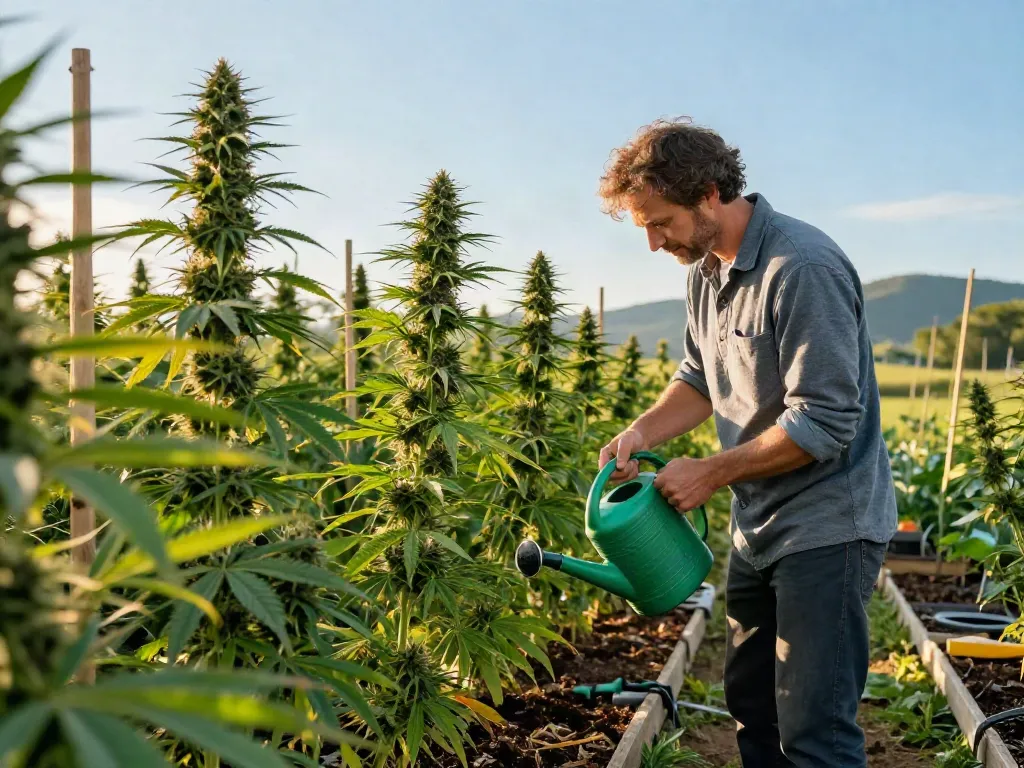
Understanding Feminised Cannabis Seeds
If you’re venturing into the world of cannabis cultivation, understanding feminised cannabis seeds is crucial for optimizing your results. Feminised seeds are designed to produce predominantly female plants, which are the ones that yield the buds sought after by growers. This not only eliminates the guesswork associated with gender identification but also maximizes the available growing space for productive plants. With various options available, it’s easier than ever to view feminised seed varieties tailored to your specific growing conditions and preferences.
What Are Feminised Cannabis Seeds?
Feminised cannabis seeds result from a specific breeding process that aims to create plants that produce only female progeny. Typically, cannabis plants exhibit two sexes based on an XX/XY chromosomal system; males (XY) produce pollen while females (XX) produce the flowers. The breeding of feminised seeds avoids the introduction of male genes, allowing cultivators to focus on varieties that will yield the highest quality flowers.
How Feminised Seeds Are Produced
The production of feminised seeds involves the careful selection of female plants. Breeders typically induce a female plant to produce male flowers, which then pollinate another female plant. This self-pollination results in seeds that are almost guaranteed to produce female plants, thus significantly increasing the chances of a fruitful growing season. Advanced techniques, such as using colloidal silver or gibberellic acid, can also help in producing these seeds.
Differences Between Feminised and Regular Seeds
The primary difference between feminised and regular seeds is the gender of the plants produced. Regular seeds can produce both males and females, resulting in a 50/50 chance of each. In contrast, feminised seeds provide about 99.9% female plants, which are more desirable for growers interested in maximizing their yield.
Benefits of Choosing Feminised Seed Varieties
Opting for feminised seeds offers multiple advantages for both novice and expert growers alike. These benefits make feminised seeds an attractive choice in today’s cannabis market.
Higher Yields and Potency
One of the most compelling reasons to choose feminised seeds is the higher expected yield. Since these seeds are bred to produce female plants, growers can cultivate a larger number of flowering plants, thus maximizing their harvest. Additionally, many feminised strains are developed for high THC content, ensuring potent flowers that are in high demand.
Reduced Space for Male Plants
By using feminised seeds, growers can eliminate the unnecessary space that would otherwise be allocated for male plants. This streamlined approach allows for more efficient use of space, whether growing indoors or outdoors, leading to better overall production.
Less Guesswork in Growing
With feminised seeds, the uncertainty of plant sex is alleviated. Growers no longer need to spend time and resources identifying and removing male plants, which simplifies the growing process and reduces labor while focusing effort on cultivating the most productive individuals.
Growing Techniques for Feminised Seeds
To ensure the best outcomes from feminised seeds, it’s essential to adopt effective growing techniques tailored to the specific needs of cannabis plants.
Optimal Soil Conditions
Feminised cannabis seeds thrive in well-drained, nutrient-rich soil that promotes healthy root development. Growers should focus on a balanced pH level, typically between 6.0 and 6.8, to facilitate nutrient uptake. Organic fertilizers can also contribute to rich terpene profiles and higher yields.
Watering and Nutrient Requirements
Proper watering is critical for the success of feminised seeds. While over-watering can lead to root rot, under-watering can stunt growth. A recommended approach is to water only when the top inch of soil feels dry. Additionally, understanding the specific nutrient requirements throughout different growth stages—vegetative and flowering—is essential for robust plant development.
Light Schedules and Timing
Light exposure plays a vital role in the growth of feminised seeds, especially for photoperiod strains. Growers should provide 18-24 hours of light during the vegetative phase, switching to a 12/12 light cycle to trigger flowering. Proper timing and management of light schedules can significantly enhance yields and potency.
Common Challenges with Feminised Seeds
While feminised seeds offer a host of benefits, they are not without their challenges. Understanding and mitigating these issues is essential for successful cultivation.
Identifying Hermaphrodites
One common challenge with feminised seeds is the possibility of hermaphroditism, where a female plant develops male flowers. This can occur due to environmental stress or genetic factors. Regular monitoring of plants and immediate removal of any hermaphrodites can prevent the fertilization of female flowers and protect the overall yield.
Dealing with Unpredictable Traits
Even with feminised seeds, some growers may encounter variability in traits such as growth rate, potency, and yield. It’s crucial to research different strains and their specific characteristics to select ones that align with your cultivation goals.
Mitigating Pests and Diseases
Like all plants, feminised cannabis seeds are vulnerable to pests and diseases. Implementing preventative measures, such as maintaining proper ventilation, monitoring humidity levels, and using organic pest deterrents, can help keep plants healthy and productive.
Future Trends in Feminised Seed Genetics
The cannabis industry is rapidly evolving, with advancements in breeding techniques poised to change the landscape of feminised seed production.
Innovations in Breeding Techniques for 2026
As we look towards 2026, innovative breeding methods such as CRISPR gene editing may become more common, allowing breeders to create strains with specific desirable traits, including increased resistance to pests and diseases or enhanced cannabinoid profiles.
Trends in Consumer Preferences
With the growing acceptance of cannabis, consumer preferences are shifting towards organic and sustainably grown strains. This trend may influence breeders to develop feminised seeds that not only yield high-quality flowers but also adhere to eco-friendly practices.
Emerging Varieties and Their Potential
New varieties of feminised seeds are constantly being introduced, each with unique genetic traits and potential uses. Keeping an eye on emerging strains can give growers a competitive advantage in the market, allowing them to cater to the specific preferences of consumers.