Understanding Glass Machine Manufacturing
In the dynamic world of manufacturing, glass machines play a crucial role in shaping materials for various applications, from architectural design to automotive production. Understanding the intricacies of glass machine manufacturing is essential for businesses looking to improve their production processes, enhance product quality, and meet the evolving demands of the market. Manufacturers like Eworld Machinery have emerged as leaders in this sector, offering a diverse range of machines that cater to different aspects of glass processing. When exploring options, glass machine manufacturers provide comprehensive insights into the capabilities, quality, and efficiency of the machines available today.
What Are Glass Machine Manufacturers?
Glass machine manufacturers specialize in producing equipment that is integral to the glass processing industry. These manufacturers design and fabricate machines that automate various processes such as cutting, washing, drilling, and polishing glass. Their expertise enables them to create machines tailored to specific segments of the industry, including residential, commercial, and automotive sectors. Understanding how these manufacturers operate allows businesses to select the right machinery to fit their production needs and ensure optimal performance.
The Importance of Quality in Glass Machinery
Quality in glass machinery is pivotal for maintaining production efficiency and achieving superior end products. High-quality machines minimize downtime, reduce waste, and ensure consistency in the manufacturing process. In an industry where precision is paramount, manufacturers need to invest in machines that exhibit durable construction, advanced technology, and user-friendly operation. Companies that prioritize high-quality machinery often see a significant return on investment through improved productivity and reduced operational costs.
Key Technologies Driving Innovation
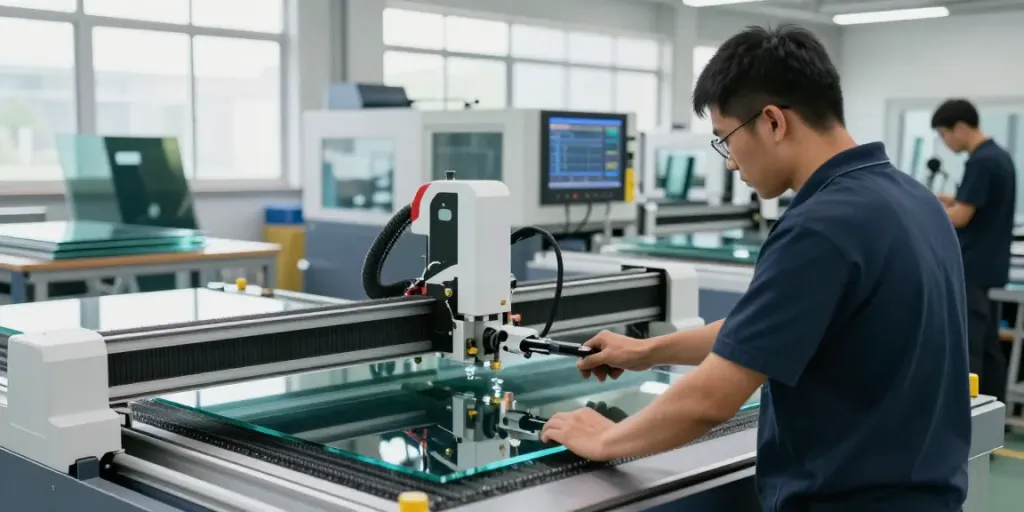
Innovation in glass machine manufacturing is primarily driven by advancements in technology. The integration of automation, Artificial Intelligence (AI), and precision engineering has revolutionized how glass is processed. For instance, automated glass cutting machines utilize CNC technology for high accuracy, significantly reducing manual labor while enhancing production speed. Additionally, the development of smart machines equipped with IoT capabilities allows manufacturers to monitor operations in real-time, leading to better maintenance and fewer delays.
Types of Glass Machinery
The glass manufacturing industry encompasses a wide variety of machines designed for specific tasks in the glass fabrication process. Understanding the different types of glass machinery can help businesses select the right equipment for their needs.
Overview of Common Glass Machines
Common types of glass machines include:
- Insulating Glass Production Line: These machines are used for creating energy-efficient insulated glass units, vital for modern architecture.
- Glass Washing Machine: Essential for cleaning glass surfaces before further processing, ensuring high-quality finishes.
- Glass Cutting Machine: Automates the cutting process, enhancing accuracy and reducing material waste.
- Glass Edge Polishing Machine: Used to smooth and polish the edges of glass panels for a perfect finish.
- Glass Laminating Machine: Laminates glass layers together to enhance safety and strength.
- Glass Drilling Machine: Enables precise drilling of holes in glass for fittings and fixtures.
- Glass Lifting Machine: Facilitates the movement of heavy glass sheets to prevent damage and ensure safety.
- Glass Sandblasting Machine: Adds texture to glass surfaces for decorative purposes.
- Laser Machines: Used for cutting and engraving glass with high precision.
- PVC Window and Door Machine: Specialized in manufacturing window and door frames from PVC materials.
Innovative Features to Look For
When selecting glass machinery, look for innovative features that enhance functionality and productivity:
- Automation: Reduces manual labor and increases efficiency.
- Energy Efficiency: Lowers operational costs and environmental impact.
- User-Friendly Interfaces: Simplifies operations and reduces training costs.
- Modular Designs: Allows for easy upgrades and customizations.
- Advanced Safety Mechanisms: Protects operators and reduces the risk of accidents.
Comparing Manual vs. Automated Systems
When considering glass machinery, businesses often face the choice between manual and automated systems. Manual systems generally require skilled labor and can be more cost-effective initially, but they are limited in speed and precision. On the other hand, automated systems, while potentially higher in upfront costs, offer significant advantages in throughput, accuracy, and consistency. As industries evolve, the trend is leaning towards automation to meet increasing production demands.
Choosing the Right Manufacturer
Selecting the right glass machine manufacturer is critical to the success of any glass processing operation. The right partner can provide not only high-quality machines but also ongoing support and service.
Key Factors to Consider
When evaluating glass machine manufacturers, consider the following factors:
- Reputation: Research the manufacturer's history and customer reviews.
- Product Range: Ensure they offer the specific types of machinery you need.
- Technical Support: Evaluate the availability of support services and training resources.
- Warranty and Service Plans: Look for comprehensive warranties and service options.
Evaluating Manufacturer Credentials
It's essential to verify a manufacturer's credentials before making a purchase. Check for relevant certifications, compliance with industry standards, and customer testimonials. Manufacturers that participate in industry associations or have established partnerships with technology providers are often more reliable and innovative.
Understanding Pricing and Value
While cost is a significant factor in choosing machinery, it should not be the only consideration. Evaluate the overall value, including the durability of the equipment, ease of use, and potential for future upgrades. Sometimes, a higher upfront investment in quality machinery can lead to lower operating costs and increased productivity down the line.
Challenges Faced by Glass Machine Manufacturers
The glass manufacturing industry is not without its challenges, which can impact machine manufacturers and end-users alike.
Supply Chain Issues in the Industry
Recent global events have highlighted vulnerabilities in supply chains, affecting the availability of raw materials and components necessary for machine production. Manufacturers must navigate these challenges to maintain timely delivery and avoid production delays.
Keeping Up With Technology Trends
As technology rapidly evolves, glass machine manufacturers must stay ahead of trends to remain competitive. This includes adopting new technologies and ensuring that their machinery is equipped with the latest features to meet customer demands.
Environmental Regulations and Compliance
Increased awareness of environmental sustainability has led to stricter regulations in the manufacturing sector. Glass machine manufacturers must adapt to these regulations by incorporating eco-friendly practices and materials into their production processes.
Future Trends in Glass Machinery for 2026
Looking ahead, several trends are anticipated to shape the glass machinery industry in 2026.
Emerging Technologies to Watch
Technological innovations such as AI, machine learning, and advanced robotics are expected to redefine glass manufacturing processes. These technologies can enhance productivity, optimize resource utilization, and streamline operations.
Sustainability and Eco-Friendly Practices
As companies strive for sustainability, glass machine manufacturers will increasingly focus on creating machines that minimize energy consumption and waste. Innovations in material recycling technology and energy-efficient machines will take center stage.
Predictions for Market Growth
The global demand for glass in various sectors, including construction, automotive, and consumer goods, is projected to grow. This increase in demand will likely spur the growth of glass machine manufacturers, driving innovation and competition in the market.
Who is the biggest glass manufacturer?
The largest glass manufacturers typically include well-established companies known for their extensive product lines and global reach. These companies often dominate the market and set industry standards.
What are some major glass manufacturers in the USA?
Several major players in the U.S. market include companies specializing in various glass products and machinery, contributing significantly to the innovation and manufacturing capabilities within the industry.
How much does a glass factory cost?
The cost of establishing a glass factory can vary widely based on factors such as location, scale of production, and the types of machinery used. A comprehensive analysis of these costs is essential for potential investors.
What innovations are shaping the glass industry?
Innovations such as precision cutting technologies, advanced lamination processes, and smart manufacturing techniques are reshaping the glass industry, leading to enhanced quality and efficiency.
How to select the best glass machinery for your needs?
Choosing the right machinery involves thorough research, understanding your production requirements, and evaluating the offerings of different manufacturers to find the best fit for your business.